📖 Study Guide
Learn Japanese through stories.
These stories include Japanese culture,
daily life, travel experiences,
and conversations between people.
1. Read the English text.
2. Read the Japanese text.
3. Use Romaji if needed.
4. Review the vocabulary.
🌸 Story
In it,
I was a child again.
そこにいたのは、
幼い頃のわたし。
Soko ni ita no wa,
osanai koro no watashi.
Sumire.
双子の姉妹のすみれ。
futago no shimai no Sumire.
always smiling,
always moving forward.
よく笑って、
前に前に進む子。
yoku waratte,
mae ni mae ni susumu ko.
quietly watching
from a small distance behind her.
後ろからそっと見ている子だった。
ushiro kara sotto mite iru ko datta.
I remember thinking, in the dream,
how different our personalities were.
こんなにも性格が違うんだね。
そんなことを、
夢の中で静かに思っていた。
konna ni mo seikaku ga chigau n da ne.
Sonna koto o,
yume no naka de shizuka ni omotte ita.
💭 Story Note
In Japan, the first dream of the new year is called “hatsuyume” (初夢).
Which night counts as hatsuyume has varied over time. Some traditions mean the night of January 1; others mean the night of January 2.
Some people believe that this dream may bring a little hint of good luck for the year ahead.
There is also a traditional saying about three lucky things to see in your first dream:
– Mount Fuji (富士山)
– A hawk (鷹)
– An eggplant (茄子)
These are known as “Ichi-Fuji, Ni-Taka, San-Nasubi” (一富士、二鷹、三茄子).
Of course, not everyone takes these beliefs seriously today.
For many people, hatsuyume is simply a small, fun tradition to enjoy at the beginning of a new year.
📚 Vocabulary
| English | Japanese | Romaji |
|---|---|---|
| First dream of the year | 初夢 | Hatsuyume |
| Twins | 双子 | Futago |
| Lively; energetic | 活発 | Kappatsu |
| Shy; reserved | 内気 | Uchiki |
| Personality | 性格 | Seikaku |
### 🌸 双子 (Futago) — Twins
**双子 (futago)** means “twins” in Japanese.
It refers to two children born from the same pregnancy.
In English, we usually say **twins** in the plural when talking about the pair.
In Japanese, **双子** can refer to the pair without changing the form of the word.
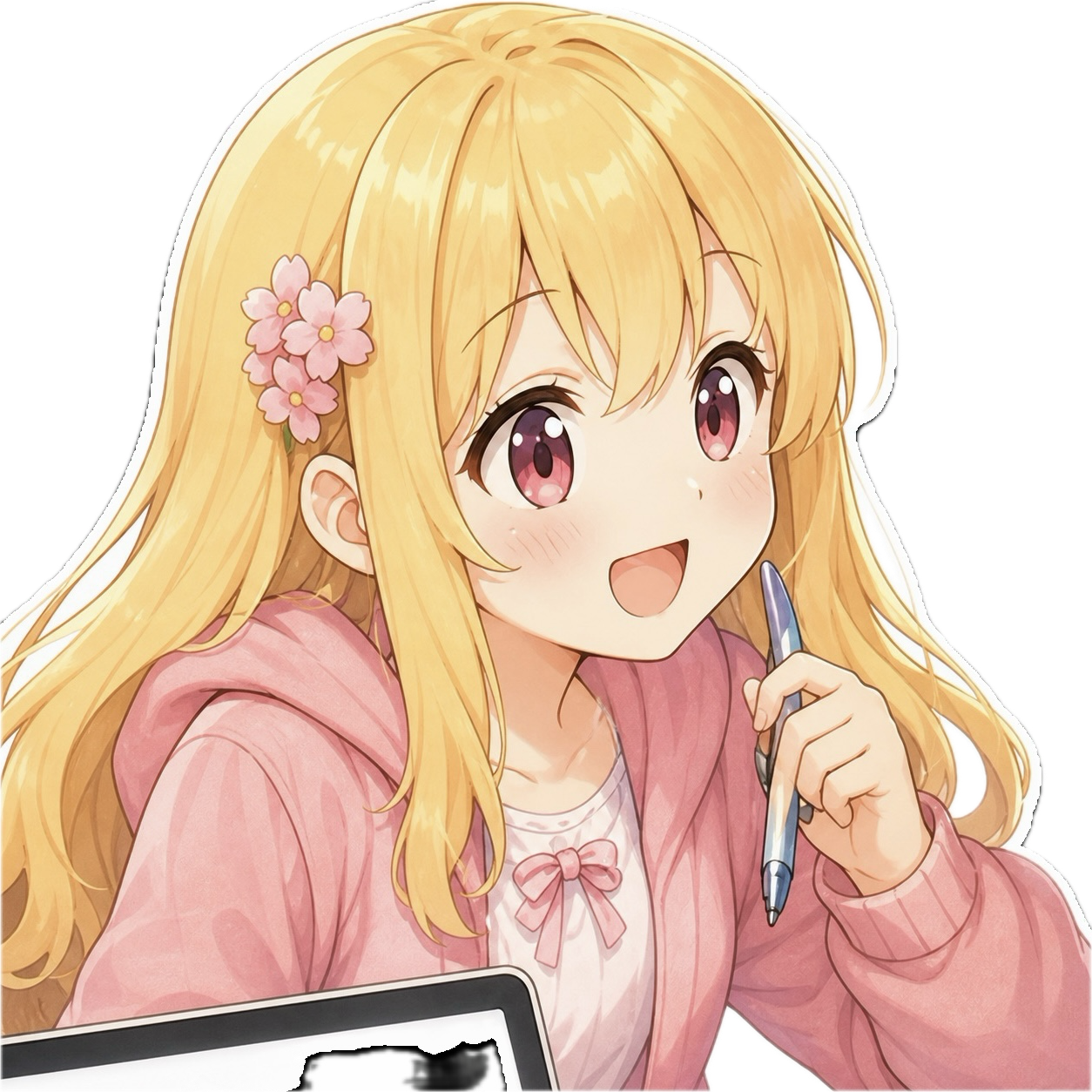
For example, Sakura and Sumire are twins.
But even though they were born together, they have very different personalities.
You can use 双子 when talking about family, siblings, or people who are twins.
**Example 1**
わたしたちは双子です。
*Watashitachi wa futago desu.*
We are twins.
**Example 2**
双子なのに、性格が違うんだね。
*Futago na noni, seikaku ga chigau n da ne.*
Even though we’re twins, our personalities are different.
Twins may share the same birthday, but each person has their own personality. 🌸🌷
🔰 Mix Words and Feel Their Meaning|ことばを混ぜて、感覚をつかもう
It means “twins” in Japanese.
Let’s mix a little Japanese into English
and get a feel for the word! 😊
① Sakura and Sumire are **双子**.
② Even though they’re **双子**, their personalities are different.
③ Are those two **双子**?
見た目が似ていても、
性格まで同じとは限らないよ。
さくらとすみれも双子だけど、
それぞれ違うところがあるんだね。🌸🌷

コメント