📖 Study Guide
Learn Japanese through stories.
These stories include Japanese culture,
daily life, travel experiences,
and conversations between people.
1. Read the English text.
2. Read the Japanese text.
3. Use Romaji if needed.
4. Review the vocabulary.
🌸 Story
Sakura, Sumire, Dad, and Mom
are waiting for their food
in a booth.
A staff member calls out.
“We’ll call you by number!”
After a short pause,
“Customer number 001!”
さくら、すみれ、パパ、ママが
ボックス席で料理を待っている。
店内に店員さんの声が響く。
「番号でお呼びしまーす!」
少し間を置いて、
「001番のお客様〜!」
Sakura, Sumire, Papa, Mama ga
bokkusu seki de ryouri o matte iru.
Tennai ni ten’in-san no koe ga hibiku.
“Bangou de oyobi shimaasu!”
Sukoshi ma o oite,
“Zero zero ichi-ban no okyakusamaa!”
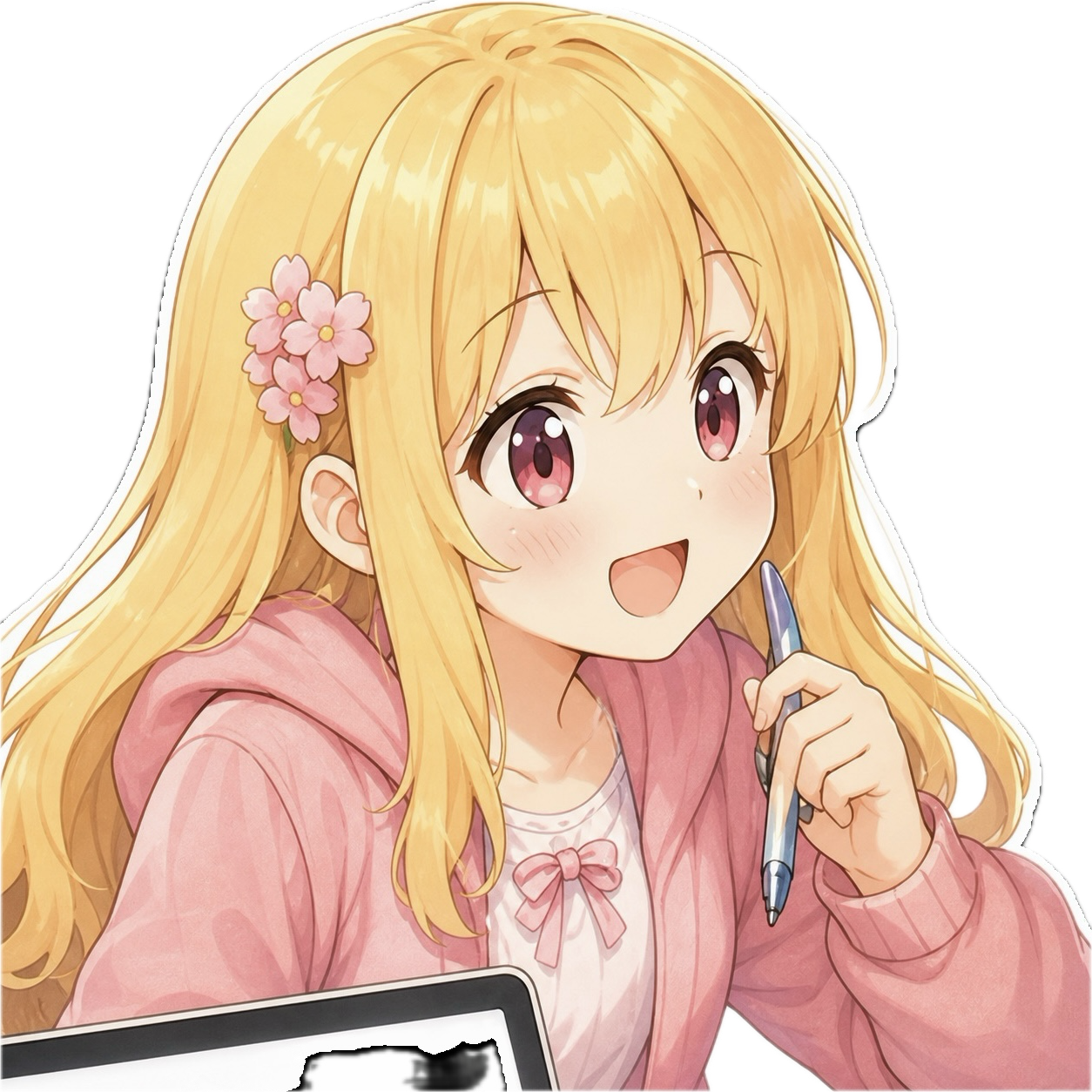
Why do they say,
“We’ll call you by number!”
before calling the number?
なんで最初に、
番号でお呼びしまーす!
って言うんだろう?
Nande saisho ni,
bangou de oyobi shimaasu!
tte iun darou?
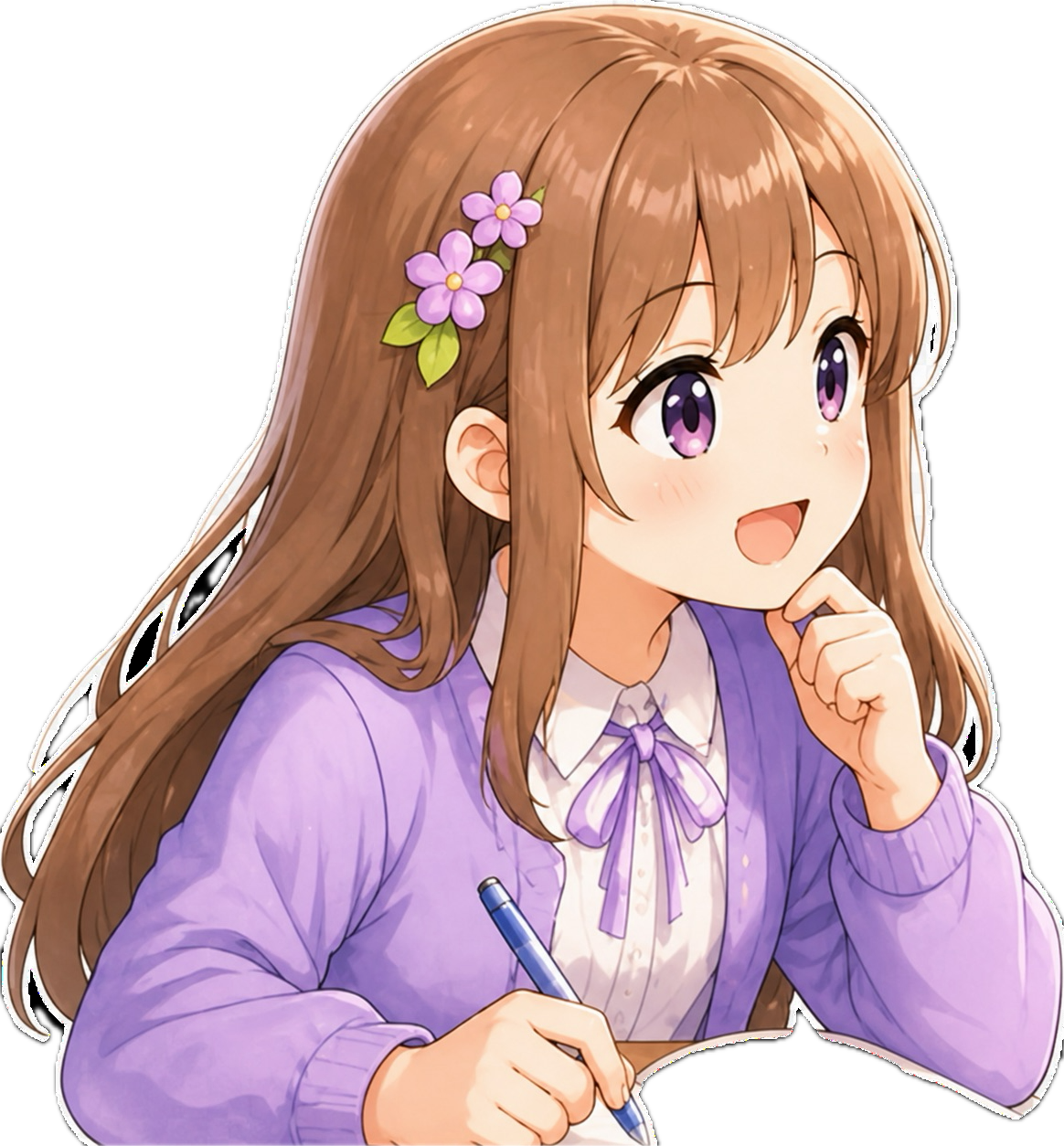
I wonder why.
どうしてだろうね。
Doushite darou ne.
the number right away.
いいのにね。
ii noni ne.
But maybe some people
wouldn’t notice.
でも、気づかない人も
いるんじゃない?
Demo, kizukanai hito mo
irun janai?
Then they should just
call the number louder! 😆
じゃあ、もっと大きな声で
番号を呼べばいいんだよ!😆
Jaa, motto ookina koe de
bangou o yobeba iin da yo! 😆
a soft little cat punch!
Dad starts talking with a smile.
さくらの肩にポフッ!
パパが笑いながら話し始める。
Sakura no kata ni pofu!
Papa ga warai nagara hanashi hajimeru.

I heard a long time ago.
When you’re speaking
to a lot of people,
it’s good to pause a little
before saying the important part.
大勢の人に何かを伝えるときは、
少し間を取ってから
本題を話すといいって
聞いたことがあるよ。
Oozei no hito ni nanika o tsutaeru toki wa,
sukoshi ma o totte kara
hondai o hanasu to ii tte
kiita koto ga aru yo.
Why?
どうして?
Doushite?
might not be ready to listen
if you start talking suddenly.
That first little phrase
helps get their attention.
聞く準備ができていない人が
いるからね。
最初のひと言で
注意を向けてもらうんだって。
kiku junbi ga dekite inai hito ga
iru kara ne.
Saisho no hitokoto de
chuui o mukete moraun datte.
So maybe that’s why
they say,
“We’ll call you by number!”
first?
だから最初に、
「番号でお呼びしまーす!」
って言うのかな?
Dakara saisho ni,
“Bangou de oyobi shimaasu!”
tte iu no kana?
Don’t give Sakura a cat punch
over something so small!
そんなことくらいで
猫パンチしないの!
Sonna koto kurai de
neko panchi shinai no!
with his wife.
They stop in front of
Sakura and her family’s booth.
ハチ先生がやってきた。
さくらたちのボックス席の前で
足を止める。
Hachi-sensei ga yatte kita.
Sakura-tachi no bokkusu seki no mae de
ashi o tomeru.
to listen is a kind
of thoughtfulness.
There’s a gentle side
of Japanese culture
in that, meow.
気を配る。
そこには、日本らしい
優しさもあるんだにゃ。
ki o kubaru.
Soko ni wa, Nihon-rashii
yasashisa mo arun da nya.
Sensei?
Are you on a date
with your wife? 😏
先生?
奥さんとデート?😏
Sensei?
Okusan to deeto? 😏
cat punch, meow!? Pow! 🐾🤣
お見舞いするにゃ‼️🐾🤣
omimai suru nya!! 🐾🤣
💭 Story Note
In some restaurants in Japan,
customers receive a number
while waiting for their food.
You might hear a staff member say:
「番号でお呼びしまーす!」
(Bangou de oyobi shimaasu!)
“We’ll call you by number!”
Then, after a short pause:
「001番のお客様〜!」
(Zero zero ichi-ban no okyakusamaa!)
“Customer number 001!”
Why not just call the number
right away?
There is a simple reason.
People in a restaurant
may be talking, looking at their phones,
or thinking about something else.
If a number is called suddenly,
they might miss it.
The first announcement helps people
turn their attention toward the speaker.
Then they are more ready
to hear the number.
This is one example of
「気配り」 (kikubari).
Kikubari means paying attention
to other people’s needs
and trying to make things easier
for them.
It doesn’t have to be
a big or serious action.
Sometimes,
just a few extra words
can make a difference.
And of course,
not every restaurant
uses exactly the same announcement.
But next time you hear
an announcement like this in Japan,
listen for the little pause.
It may be helping everyone
get ready to listen.
And one more thing…
In Japanese,
「猫パンチ」 (neko panchi)
literally means “cat punch.”
It can describe a cat
swatting with its paw.
In this story,
Sumire gives Sakura
a playful little cat punch.
But Hachi-sensei is a real cat!
Maybe it’s better
not to tease him too much! 🐾🤣
📚 Vocabulary
Here are five useful Japanese words
and expressions from today’s story.
| English | Japanese | Romaji |
|---|---|---|
| number | 番号 | bangou |
| to call (someone) | 呼ぶ | yobu |
| to notice / to realize | 気づく | kizuku |
| to get ready / preparation | 準備 | junbi |
| to pay attention to / to be considerate | 気を配る | ki o kubaru |
### Language Tip: 気づく (kizuku)
Today’s word is
「気づく」 (kizuku).
It means “to notice”
or “to realize.”
In the story, Sumire says:
「でも、気づかない人もいるんじゃない?」
“Maybe some people wouldn’t notice.”
「気づかない」 (kizukanai)
is the negative form of 「気づく」.
It means “not to notice.”
You can use this word
when you notice a sound,
a small change,
or something you didn’t see before.
Here are two everyday examples:
「呼ばれたのに、気づかなかった。」
Yobareta noni, kizukanakatta.
“I didn’t notice that I was being called.”
「髪を切ったの、気づいた?」
Kami o kitta no, kizuita?
“Did you notice my haircut?”
Both examples use 「気づく」,
but the things people notice
are different.
One is a sound or someone calling.
The other is a change in appearance.
It’s a useful word
for little moments
in everyday life.
And sometimes,
a few words before an announcement
can help people notice
what comes next! 😊
🔰 Mix Words and Feel Their Meaning|ことばを混ぜて、感覚をつかもう
Today’s Japanese word is
「気づく」 (kizuku).
It means “to notice”
or “to realize.”
Sometimes, we notice a sound.
Sometimes, we notice a change.
And sometimes, we don’t notice
something happening right beside us!
Let’s mix Japanese into English.
“I didn’t 気づく when they called my number!”
“Did you 気づく my new haircut?”
“Sakura didn’t 気づく Sumire’s cat punch was coming! 🐾🤣”
These are mixed-language sentences,
not standard English.
That’s okay!
The goal is to connect
「気づく」 with the feeling
of noticing something.
In everyday Japanese,
you may also hear:
「気づいた!」 (kizuita!)
“I noticed!”
「気づかなかった!」 (kizukanakatta!)
“I didn’t notice!”
The form changes,
but the main idea stays the same.
A little sound.
A small change.
An unexpected cat punch!
There are so many chances
to use 「気づく」 in everyday life. 😊
コメント